The RoboMouse story started with a crisis.
At Dr. Amanda Foster's veterinary clinic in Los Angeles, she was seeing the same heartbreaking pattern every single week.
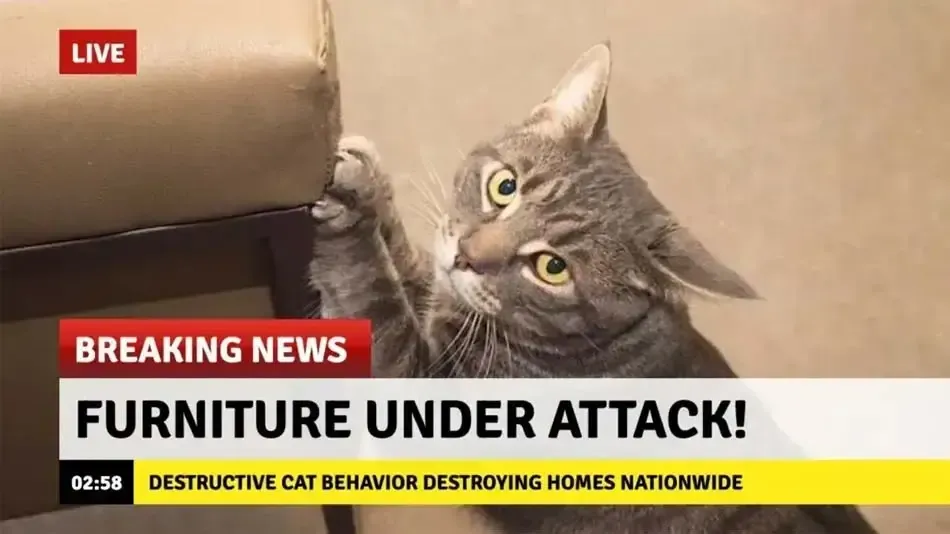
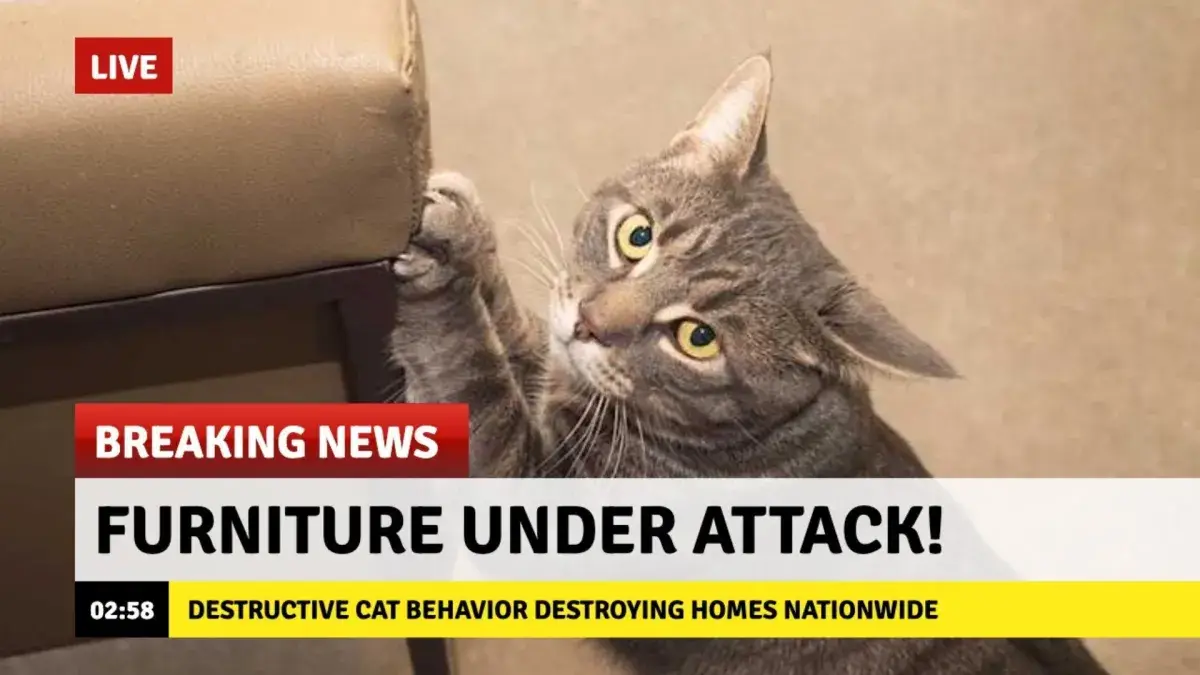
Cat owners—good, loving people—were bringing in their cats for "behavioral problems." Destructive scratching. Nighttime hyperactivity. Aggression toward other pets.
But Dr. Foster, a board-certified veterinary behaviorist with 15 years specializing in feline enrichment, knew these weren't behavioral problems.
They were boredom problems.
One morning, Dr. Foster was consulting with her third behavioral case before 10 AM.
A 3-year-old indoor cat. Destroying furniture. Knocking plants off shelves. 3AM zoomies every single night.
The owners were exhausted and heartbroken. They loved their cat, but they couldn't live like this anymore.
They were considering rehoming him.
Dr. Foster had heard this story a hundred times. But what happened next changed everything.
During the consultation, something caught Dr. Foster's attention.
Max, the clinic's resident cat—who was usually bouncing off the walls—had suddenly gone completely still.
He was crouched low. Eyes locked. Body tense.
He was stalking something.
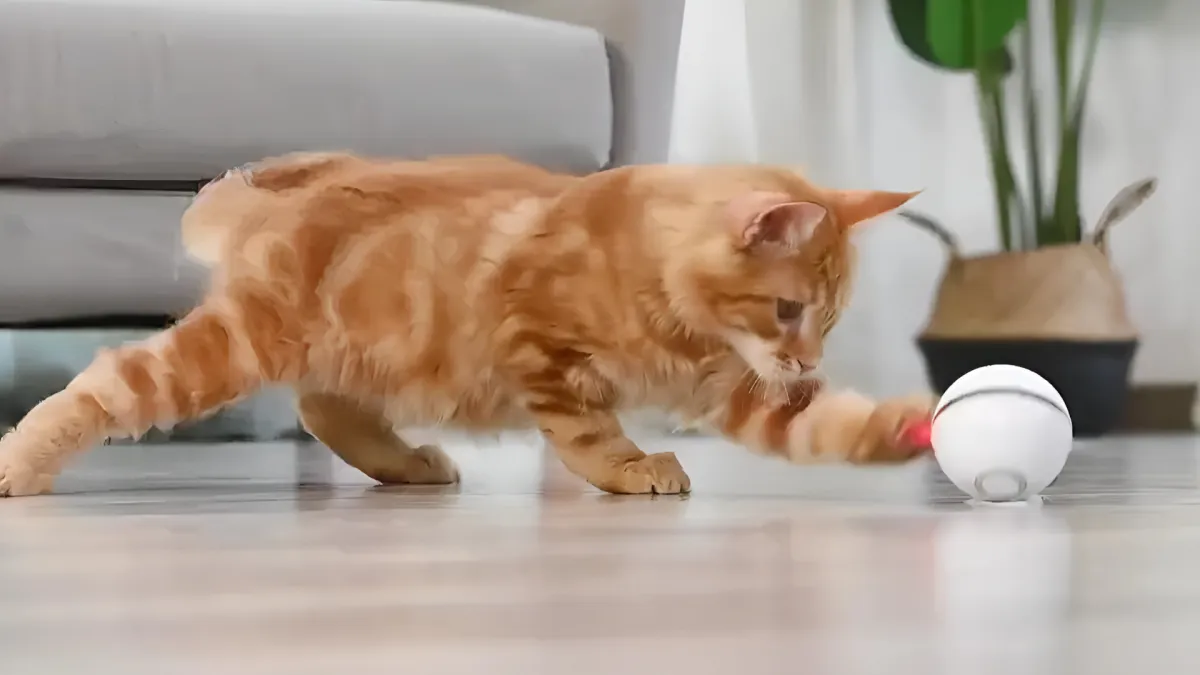
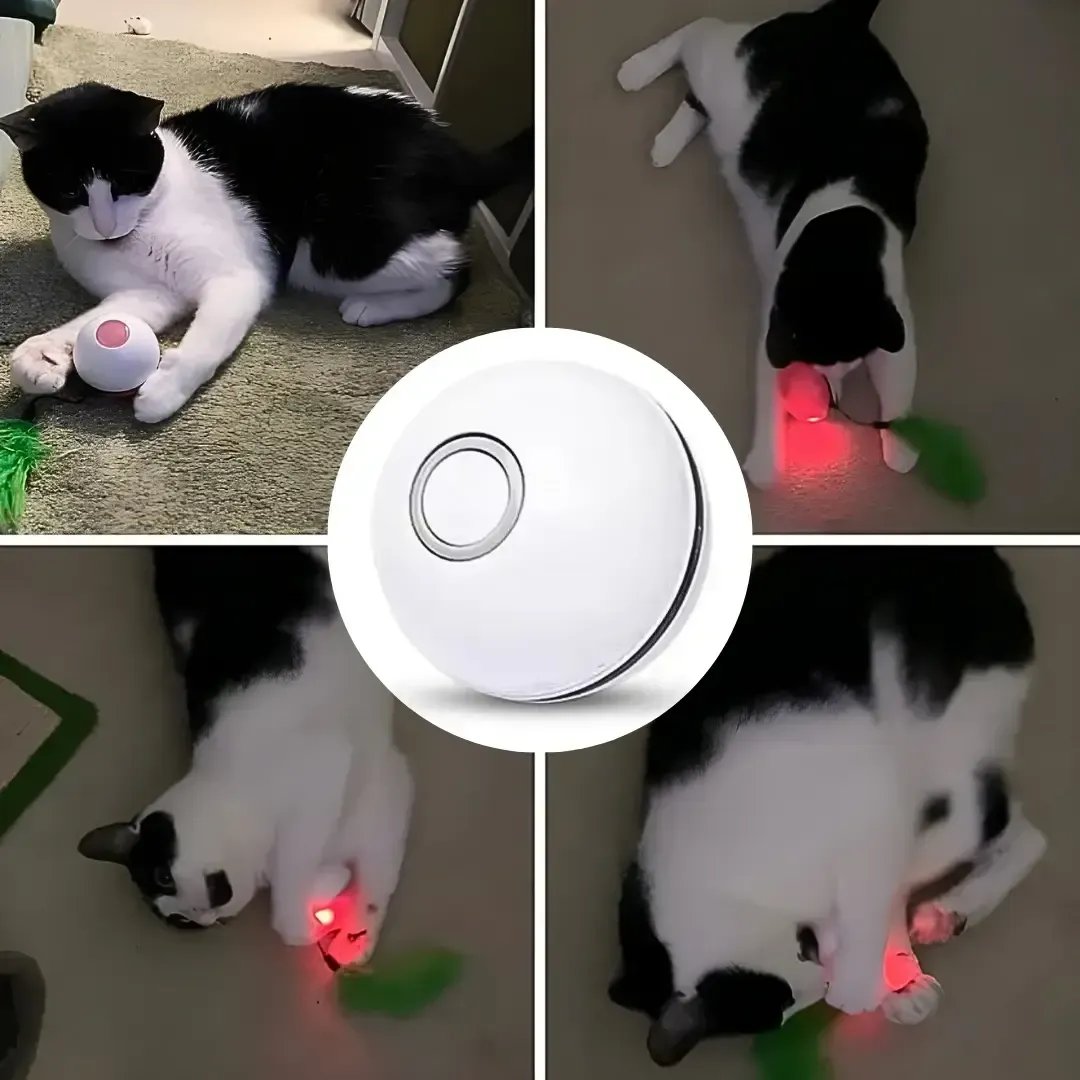
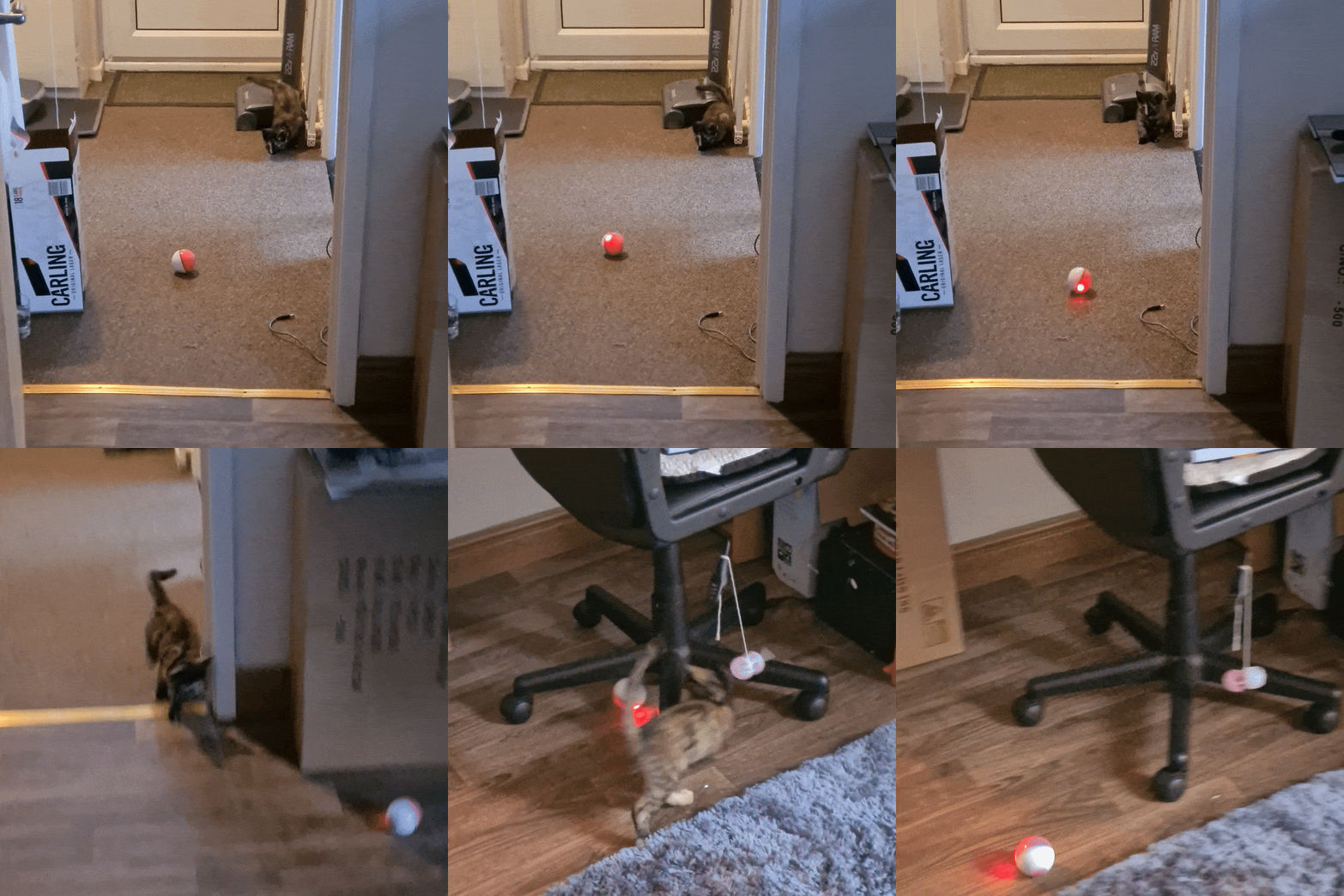
Dr. Foster looked down and saw a small cleaning robot that the janitorial crew had accidentally left running. It was rolling in random, unpredictable patterns across the floor.
Max was completely transfixed.
"That's... interesting," Dr. Foster thought. "Max is usually destroying things at this time of day. But that unpredictable movement has him completely calm and focused."
She watched for another moment. Max's entire body was engaged—ears forward, pupils dilated, muscles coiled. This wasn't just play.
This was hunting behavior.
The wheels started turning in her mind.
Later that week, she saw it again. A severely destructive Bengal—pacing and agitated in the exam room—suddenly became laser-focused when the same cleaning robot rolled past the doorway.
Two different cats. Same response.
That's when it hit her.
"What if the destructive behavior isn't the problem? What if it's just a symptom of cats not being able to hunt?"
Indoor cats are predators with nowhere to hunt. No prey to stalk. No mental challenge to solve.
So they create their own "hunting" by attacking furniture, knocking things over, and tearing around the house at 3AM.
They're not being bad. They're being bored.
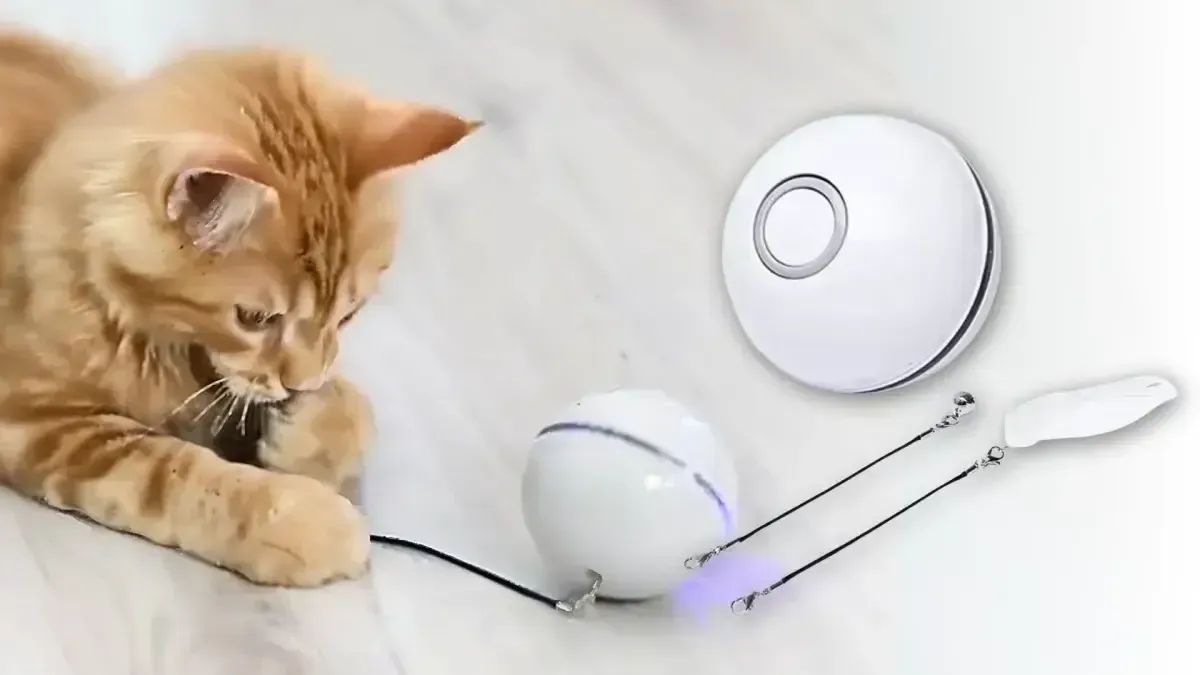
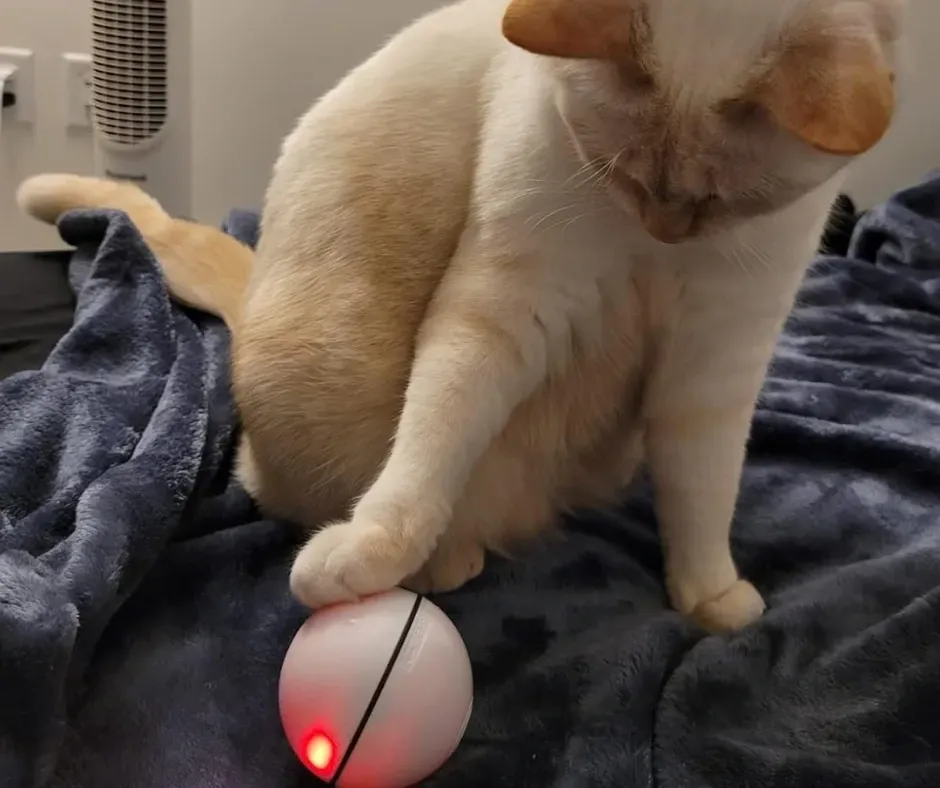
"What if," Dr. Foster wondered, "we could give them the unpredictable movement patterns they're hardwired to chase—but in a safe, practical device designed specifically for indoor cats?"